

PCD Dies
Wear-resistant PCD dies for copper, aluminum, steel, stainless steel and alloy wire in continuous production.
PCD DiesYongyi Wire Drawing Dies
Inspection, measurement and maintenance tools for daily die-room quality control and repair decisions.
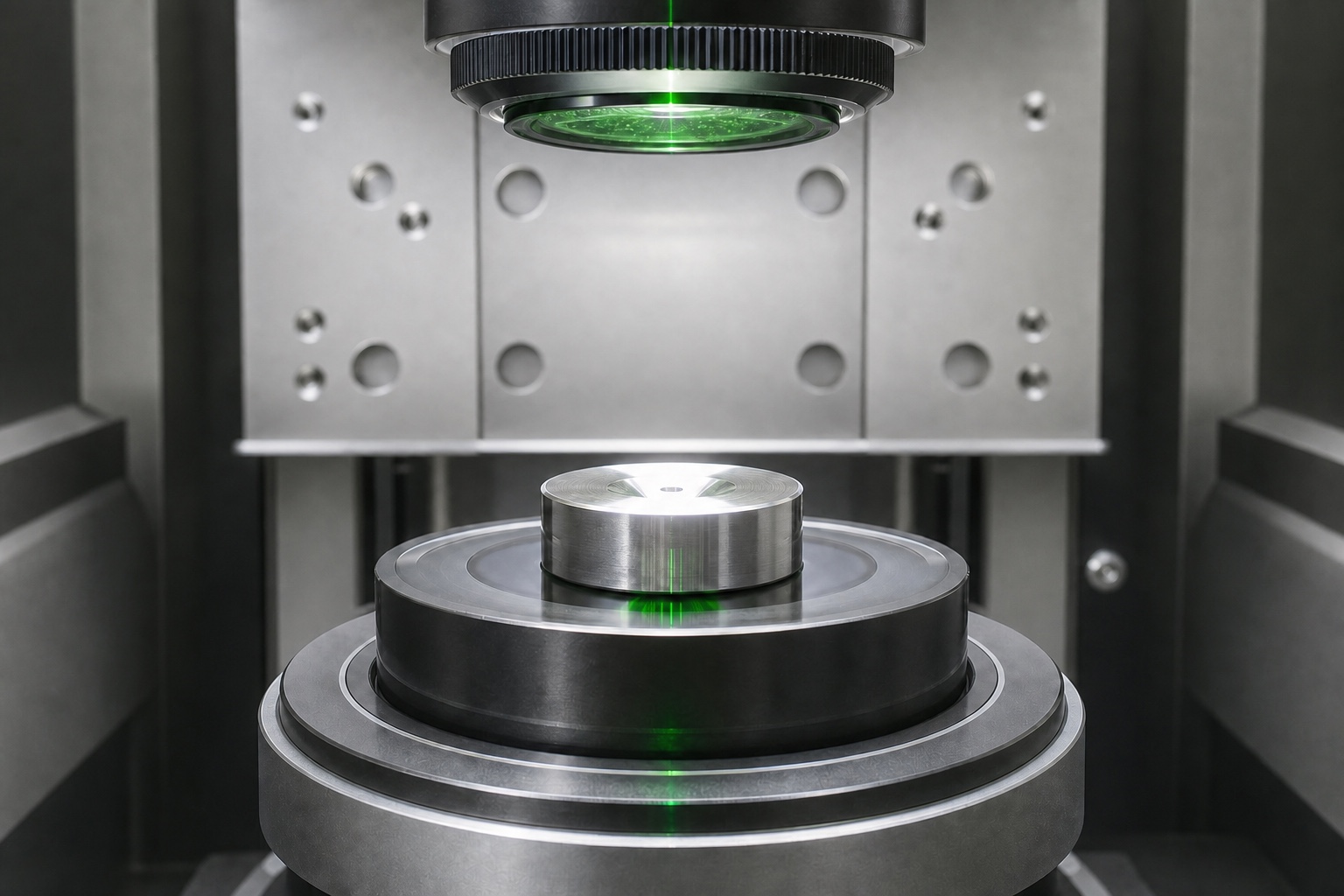
Product Overview
Specifications
Key product ranges and technical data used for product selection, process confirmation and quotation planning.
Die-room tools are selected around the customer inspection, maintenance and repair workflow.
Application Range
Routine inspection should record hole size, roundness, bearing condition, reduction angle, back relief and working-surface wear. These observations help distinguish repolishing from recutting or replacement and provide evidence when surface finish or wire breaks begin to change.
Selection Guidance
Record bore size, profile and working-surface condition before deciding whether a used die needs repolishing, recutting or replacement. Select measurement and inspection tools around the die material, size range and reporting task rather than treating one instrument as suitable for every die.
Related Products
Wear-resistant PCD dies for copper, aluminum, steel, stainless steel and alloy wire in continuous production.
PCD Dies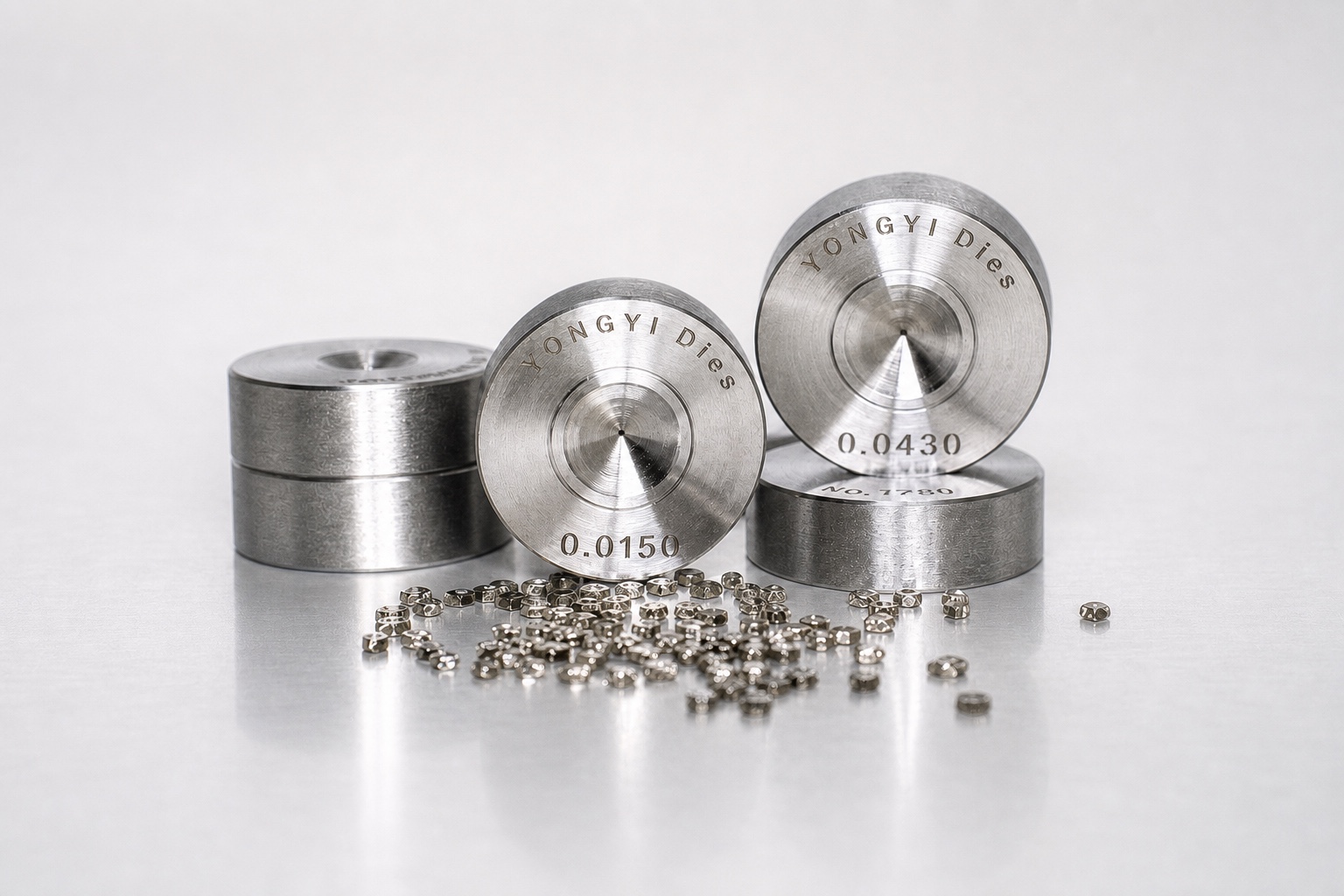
Natural diamond dies for fine and ultrafine wire where low friction, surface finish and dimensional stability are critical.
Natural Diamond Dies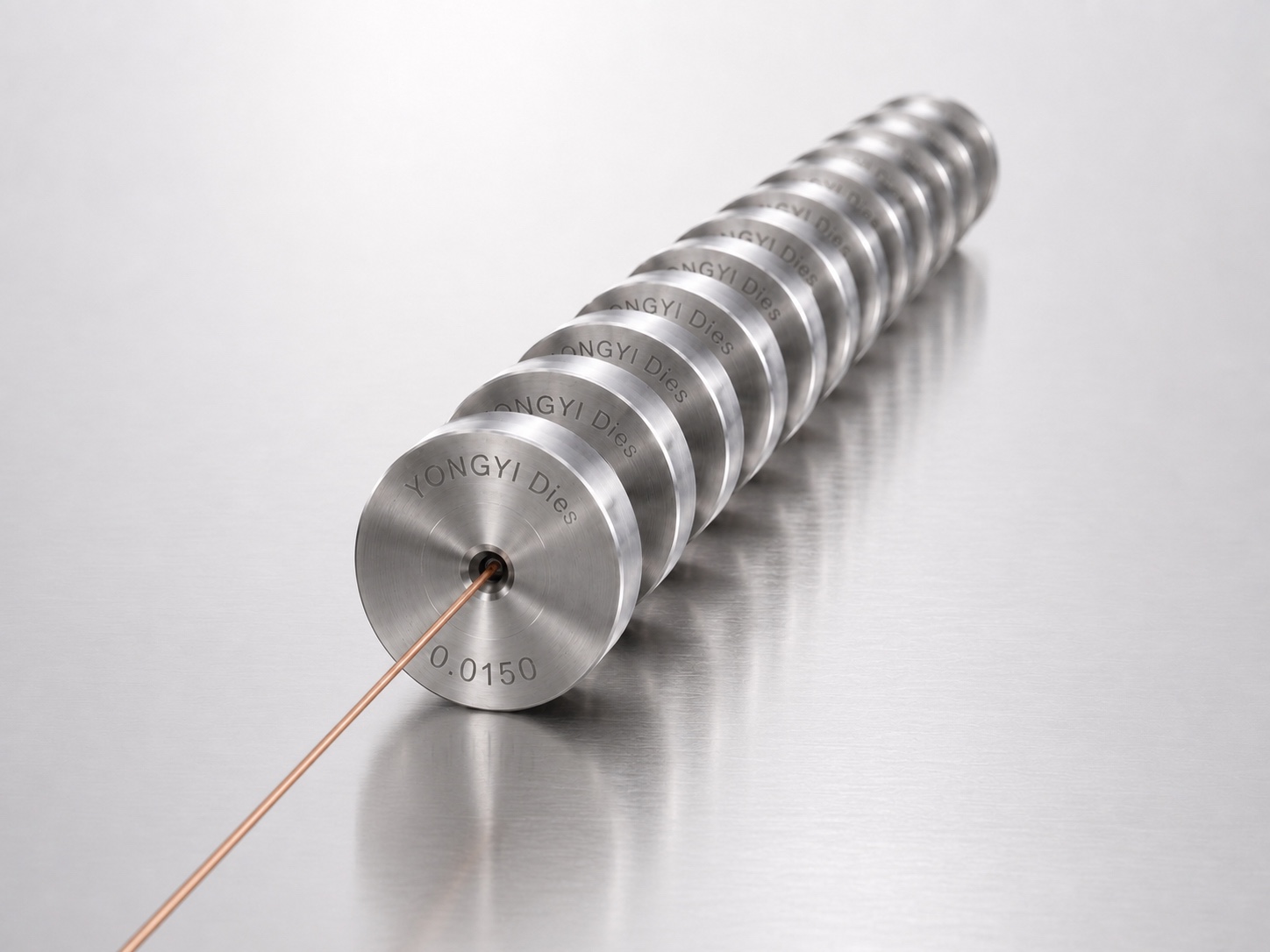
Matched drawing die sequences prepared to the required pass schedule for special wire processes and production trials.
Elongation SetsSend your drawing or specification so tooling can be reviewed against your production conditions.